When you think about what makes your car run, you probably focus on the engine, transmission, or maybe even the battery. But have you ever wondered how all the electrical components inside your vehicle communicate and function seamlessly? That’s where automotive relays come in. These small devices are crucial in powering everything from your headlights to your air conditioning. If you’re not familiar with how they work or why they’re important, don’t worry—you’re in the right place to learn.
What Is a Relay
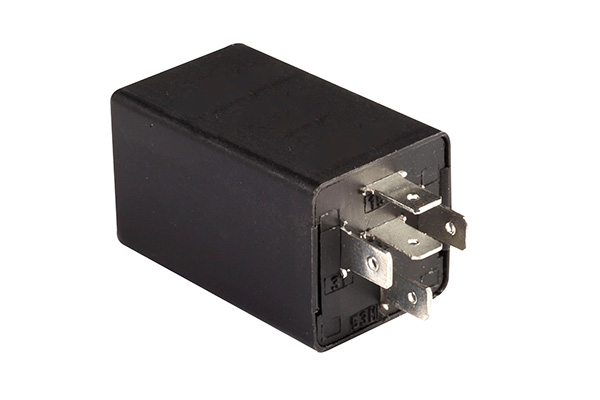
In simple terms, a relay is an electrical switch that allows a low-power circuit to control a high-power circuit. This is particularly useful in vehicles, where a single button or control needs to activate components that require more power than the control system can handle directly.
For example, when you flip on your car’s headlights, you’re not directly connecting the switch to the lights. Instead, the switch sends a small electrical signal to a relay, which then powers the lights. This process ensures your electrical system stays efficient and prevents overloading circuits.
How Do Relays Work
The magic of relays lies in their internal structure, which typically consists of four key components:
Coil: This is where the relay receives its low-power signal.
Armature: A movable arm that responds to the magnetic field generated by the coil.
Contacts: These are the points that open or close to control the flow of electricity in the high-power circuit.
Spring: Ensures the relay resets to its original position when the low-power signal stops.
Here’s how it all comes together: when you activate a switch in your car, the small electrical current flows to the relay’s coil. This creates a magnetic field, which pulls the armature and closes the circuit, allowing electricity to flow to the high-power component. Once you turn off the switch, the spring pushes the armature back, breaking the connection and stopping the power flow.
Where Are Relays Used in a Car
Relays are everywhere in your vehicle, handling tasks you probably take for granted. They’re responsible for operating your headlights, windshield wipers, fuel pump, radiator fan, horn, and even your car’s ignition system. Each of these systems requires a reliable relay to manage the electrical load effectively.
Take the fuel pump as an example. This critical component needs a steady supply of power to deliver fuel to the engine, but it also requires precise control. A relay ensures that the fuel pump only operates when the engine is running, preventing unnecessary wear and tear.
Why Do Relays Fail
Like any part of your car, relays can wear out over time. The most common causes of relay failure include overheating, corrosion, or electrical surges. When a relay fails, the component it controls may stop working altogether or function intermittently, which can be frustrating and even dangerous.
For instance, if your headlight relay fails, you could suddenly find yourself driving at night without any lights—a situation no driver wants to face. Regular inspections and replacing worn relays can help prevent these issues before they become major problems.
How to Spot Relay Problems
Recognizing a faulty relay isn’t always straightforward, but there are a few telltale signs to watch for:
Intermittent or non-functioning electrical components, such as headlights or wipers.
A clicking sound coming from the fuse box area when you attempt to activate a component.
Burnt or discolored relay casings, indicating overheating.
If you experience any of these issues, it’s best to address them promptly to avoid further complications.
Why Relays Are Important for Your Vehicle’s Health
Automotive relays might seem like minor parts, but their impact on your car’s performance and safety is anything but small. They ensure that high-power components receive the electricity they need without overwhelming your vehicle’s wiring. In other words, relays are the unsung guardians of your car’s electrical system, quietly working behind the scenes to keep everything running smoothly.
Neglecting relay maintenance or ignoring signs of failure can lead to costly repairs down the line—not to mention the inconvenience of losing key features like lights or climate control.
Whether it’s a simple relay replacement or a complex electrical issue, Torque Automotive is here to help. Stop by today and let our team get you back on the road worry free!