
Anti-Lock Braking System (ABS) - Function, Issues, and Maintenance

January 29, 2024

Foot in black leather shoe presses down on a car's brake pedal. | Torque European Car Care


When you're driving, nothing is more crucial than the ability to stop safely , at a moment's notice. That's where the Anti-Lock Braking System (ABS) comes in, a game-changer in automotive safety technology. But what exactly is ABS, and how does it work? Let's "brake" it down!


What Does the Anti-Lock Braking System (ABS) Do?

ABS is a safety feature designed to help drivers maintain control during emergency braking. When you slam on the brakes, ABS prevents the wheels from locking up, thereby avoiding uncontrolled skidding. This system uses speed sensors and a series of valves and pumps to regulate the braking pressure, ensuring that you can steer safely while braking hard.

How Is The ABS Different From the Normal Braking System

Unlike traditional braking systems, where hard braking can lead to the wheels locking up, ABS continuously modulates the brake pressure to prevent lock-up. This difference is crucial in maintaining steering control during sudden stops, particularly on slippery surfaces.

3 Specific Signs Of ABS Problems

ABS Warning Light

The ABS warning light on your dashboard is not just another indicator; it's a crucial warning. When this light turns on, it signals that the ABS has detected a problem. This could range from a simple sensor issue to something more complex within the system's hydraulic units or control modules.

Unusual Brake Pedal Behavior


The feel of the brake pedal is something drivers are intuitively familiar with. If you notice a change, such as the pedal feeling spongy, less responsive, or experiencing unusual pulsations during braking, it's often a sign of ABS issues. These sensations typically occur when the ABS modulates the braking pressure to prevent wheel lock-up. However, if these symptoms are present outside of hard braking scenarios, it indicates a problem in the system that requires immediate attention.


Longer Stopping Distances

One of the ABS's primary functions is to optimize the braking process. If you start noticing that your vehicle is taking longer than usual to come to a complete stop, this could be a sign of malfunctioning ABS. Longer stopping distances not only increase the risk of accidents but also indicate that the ABS is not correctly regulating the brake force to each wheel.

Best & Worst ABS Maintenance Practices

For optimal ABS maintenance, regular checks are key. This includes:


Regular Brake Fluid Checks
Brake fluid is the lifeblood of the braking system. Ensure it's at the correct level and replace it according to the manufacturer's schedule. Old or contaminated brake fluid can adversely affect ABS performance.


Wheel Speed Sensors Maintenance
These sensors play a crucial role in ABS functionality by monitoring the speed of each wheel. Keep them free from dirt, debris, and corrosion. Accumulation of grime can lead to faulty readings, triggering ABS problems.

Conversely, poor maintenance practices that can lead to ABS failure include:

Neglecting Brake Fluid Changes
Overlooking brake fluid changes can lead to the fluid becoming contaminated, which can cause internal corrosion in the ABS system.

Ignoring ABS Warning Lights
Dismissing the ABS warning light can lead to more severe issues down the line, including total ABS failure, which can compromise vehicle safety.


When it comes to brakes, more specifically, their maintenance or repair, Torque Automotive is the simple and reliable answer! We are your local professionals ready to handle any and all car-related problems and concerns.
Exhaust Leak Signs: What That Rattle Means for Your European Car | Torque European Car Care
November 5, 2025
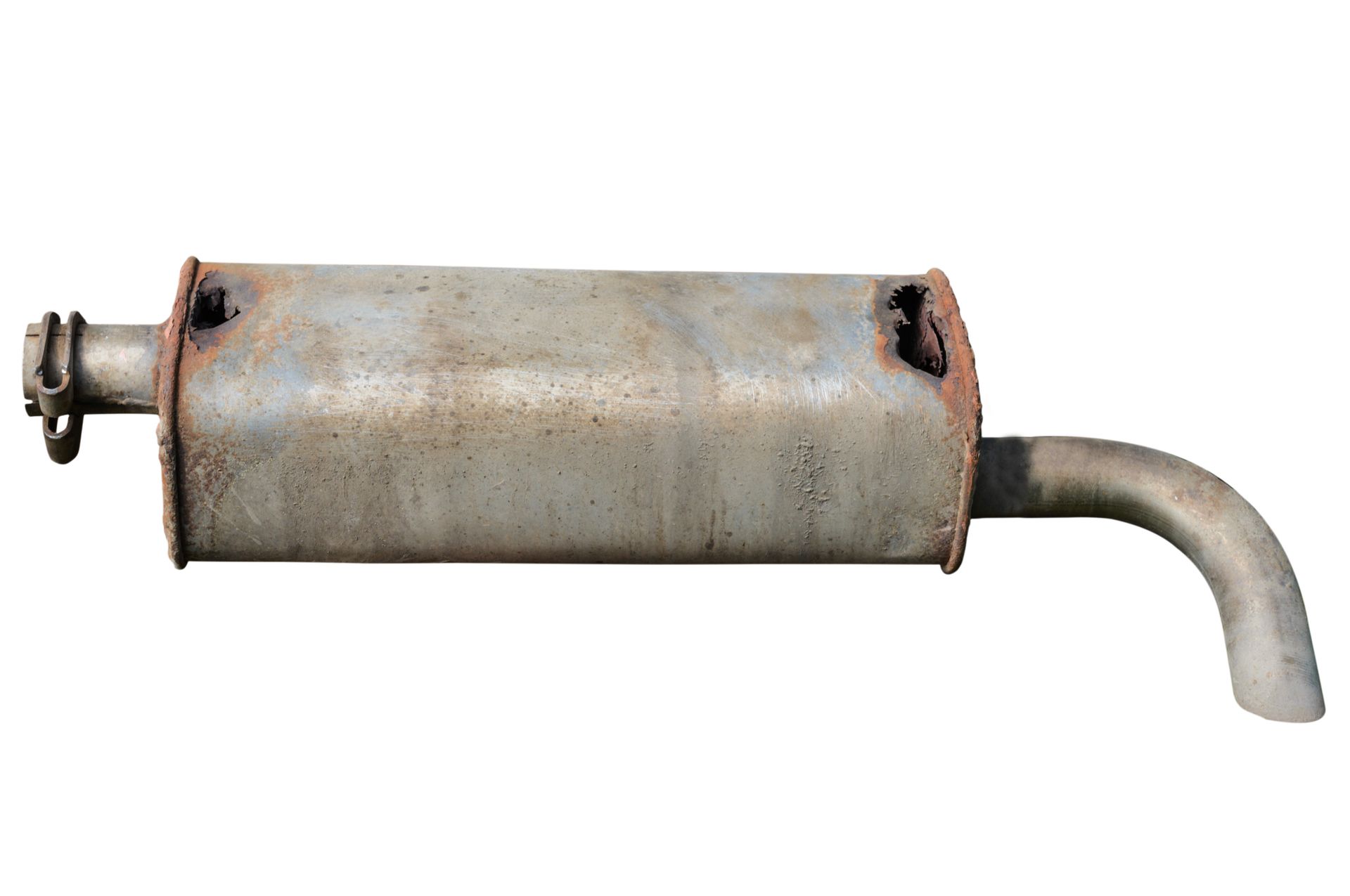
Torque European Car Care in Raleigh, NC, explains what a rattling exhaust might mean and how to spot leaks in European vehicles.
Prepare Your Vehicle for Chilly Weather With Cooling System Flush | Torque European Car Care
November 5, 2025
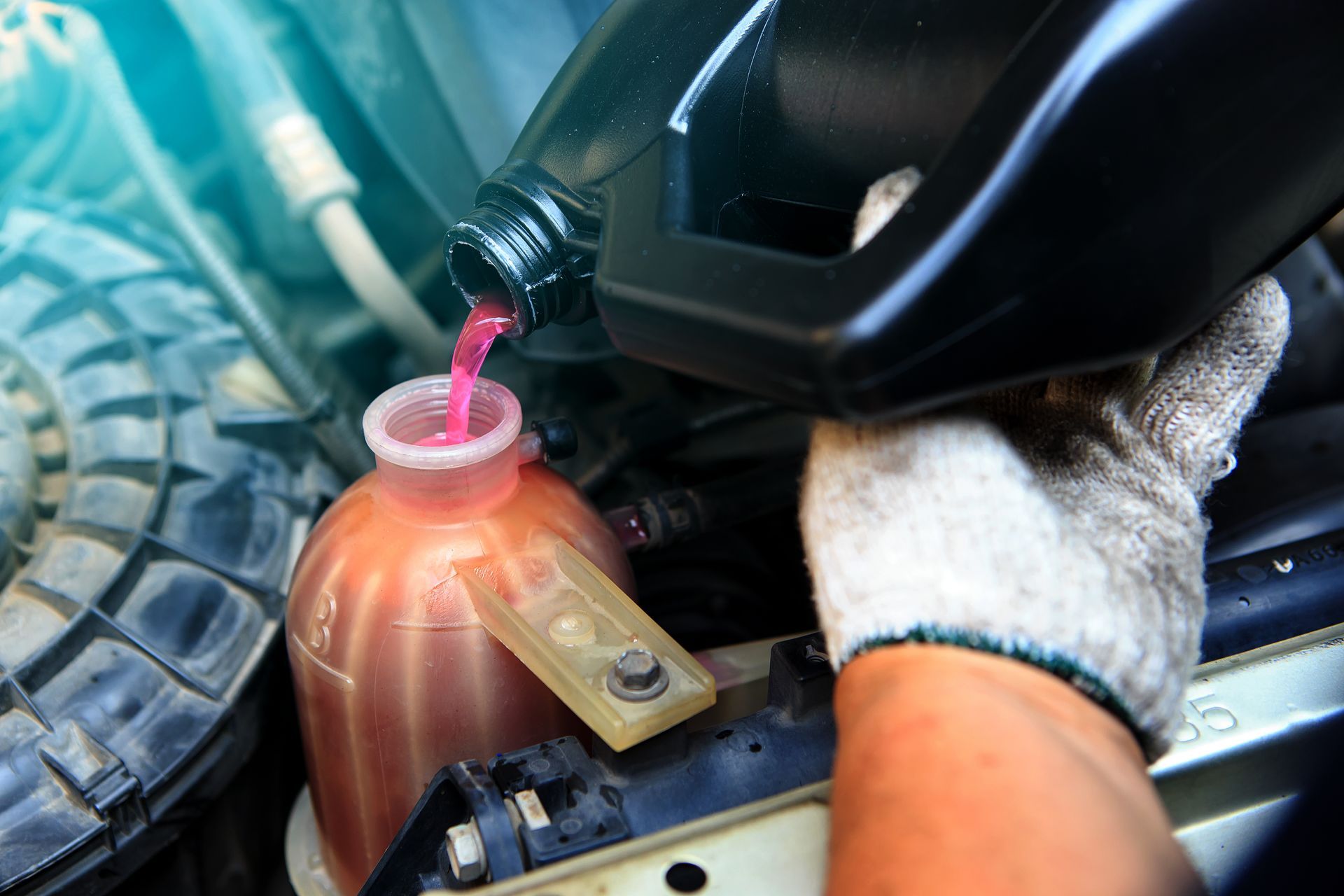
Torque European Car Care in Raleigh, NC, shares why a cooling system flush is essential before winter, especially for Mercedes-Benz, Volkswagen, and Audi vehicles.
Hands installing fuel injectors on an engine. | Torque European Car Care
September 26, 2025
Torque European Car Care explains how proper fuel injection service ensures your engine is running right.
Hand inspecting a worn timing belt on a car engine, black and gray parts. | Torque European Car Care
August 29, 2025
Your vehicle’s timing belt might not be something you think about every day, but it keeps your engine running smoothly. If it fails, it can lead to severe engine damage and costly repairs. So how often should you replace your timing belt, and what signs suggest it’s time?
Person's hands gripping a car steering wheel, dashboard with red lights visible, daytime scene. | Torque European Car Care
July 25, 2025
When your car starts drifting or pulling to one side while driving, it can make even a short trip stressful and potentially dangerous. A car that doesn’t track straight can affect your control, wear out your tires unevenly, and signal underlying problems that need immediate attention. Understanding the reasons behind this issue can help you act quickly to keep your vehicle safe and comfortable on the road.
Lime green BMW car being detailed with a hand in a black glove near the headlight. | Torque European Car Care
June 27, 2025
BMW owners enjoy a combination of luxury, performance, and technology, but that level of engineering comes with the responsibility of proper maintenance. While BMWs are built for long-term driving enjoyment, neglecting their service needs can lead to expensive problems that could have been avoided. Whether you drive a 3 Series, 5 Series, X5, or M model, staying proactive with care is the best way to extend the life of your vehicle.
White BMW car's front detail: headlights, grille, and bumper. | Torque European Car Care
May 30, 2025
BMW is a name that’s become synonymous with performance, precision, and luxury. But long before the brand was building sporty sedans and powerful M models, its roots were tied to a completely different kind of machine—aircraft engines.
Car battery with corroded terminal, covered in blue-green deposits. Red terminal cover is partially broken. | Torque European Car Care
April 25, 2025
Car batteries are taken for granted—until something goes wrong. While it's rare, a car battery that overheats or catches fire is a serious risk. These types of failures don’t just kill the battery; they can damage your electrical system, start an engine fire, or put you in real danger.
Person holding a used car air filter, replacing it in an engine bay. | Torque European Car Care
March 28, 2025
As winter comes to an end and temperatures rise, many drivers in Raleigh, NC, encounter seasonal car troubles. The transition from cold weather to spring warmth can impact various vehicle components, making it an ideal time to address any lingering wear and tear from winter. Whether it's pothole damage, weak batteries, or air conditioning issues, taking care of these problems promptly helps ensure your car runs smoothly throughout the warmer months.
Yellow
February 28, 2025
Nothing disrupts a drive quite like seeing the check engine light appear on your dashboard. It’s one of those warnings that can mean anything from a loose gas cap to a serious engine issue. Ignoring it isn’t an option, but panicking isn’t necessary either. Knowing what causes this light to come on and what steps to take can help you confidently handle the situation.